
What Modern Shoppers Really Want (And What Your Space Is Secretly Telling Them)
A customer walks into a store.
Within seconds, they have already formed an opinion.
Not because of the product.
Not because of the price.
But because of the space.
The lighting. The flow. The atmosphere. The feeling.
Before a shopper reads a single sign or speaks to a member of staff, their brain is already making hundreds of subconscious decisions.
This is the fascinating world of retail behaviour.
At Atiq, we believe great spaces do more than look beautiful. They communicate. They influence. They guide. They create emotional connections between people and brands.
Understanding how customers think, move, and make decisions is no longer a luxury for retailers, it is a competitive advantage.
Let's explore what today's shoppers are really looking for and how intelligent design can transform retail performance.
The Modern Shopper Has Changed
The retail customer of 2026 is fundamentally different from the shopper of a decade ago.
Today's consumers often:
✓ Research online before visiting a store
✓ Compare products across multiple channels
✓ Expect seamless experiences between digital and physical environments
✓ Seek experiences, not just products
✓ Value authenticity more than advertising
✓ Prefer brands that tell meaningful stories
Research consistently shows that younger generations, particularly Gen Z, combine digital discovery with a strong preference for physical shopping experiences. They want the convenience of technology and the sensory experience of real world retail.
The question is no longer:
"How do we sell products?"
The question has become:
"How do we create experiences people remember?"
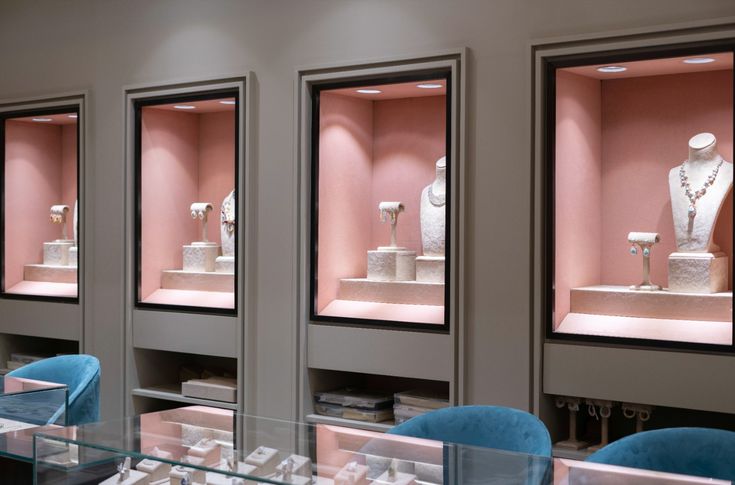
Why Customers Buy With Emotion First
Many business owners believe customers make rational purchasing decisions.
Reality tells a different story.
Studies in consumer psychology reveal that emotion plays a major role in buying behaviour. Customers often justify purchases with logic after making emotional decisions.
Think about your favourite café.
Is it the coffee?
Or is it the atmosphere?
The comfortable seating.
The lighting.
The smell.
The feeling.
Retail environments work exactly the same way.
Customers remember how a space made them feel long after they forget specific details.
The most successful retail environments create emotional triggers that encourage exploration, comfort, trust, and excitement.
The First Seven Seconds Matter More Than You Think
Retail experts call it the "decompression zone."
This is the area immediately inside the entrance where customers adjust from the outside world to the shopping environment.
During these first moments, customers subconsciously evaluate:
- Is this place welcoming?
- Is it easy to navigate?
- Does it feel premium?
- Do I belong here?
A cluttered entrance creates confusion.
A thoughtful entrance creates curiosity.
The best retail environments don't overwhelm visitors. They invite them into a journey.
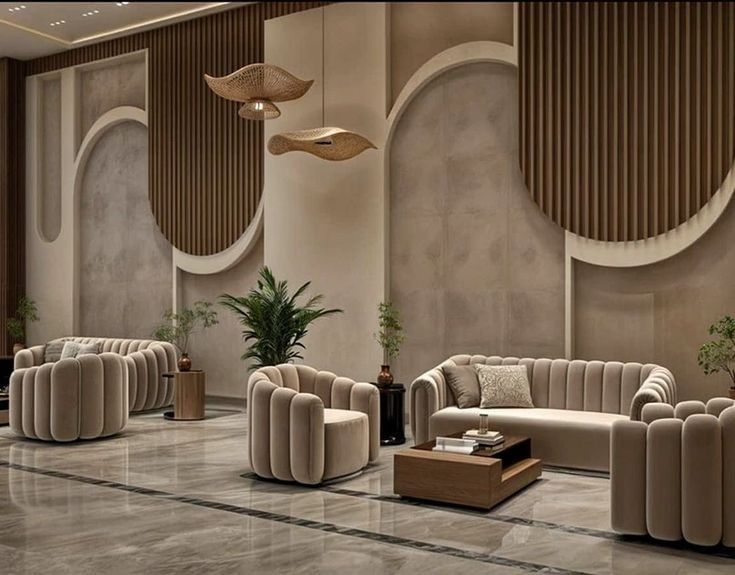
How Store Layout Influences Buying Behaviour
Imagine entering a supermarket.
Without realising it, you follow a path.
You pause at certain displays.
You discover products you never planned to buy.
None of this happens by accident.
Store layouts influence:
Movement
Well-designed circulation encourages exploration.
Attention
Strategic sight-lines draw focus toward key products.
Dwell Time
The longer customers stay, the greater the opportunity for engagement.
Impulse Purchases
Thoughtful placement increases unplanned purchases.
Research shows that customer flow, product placement, lighting, and visual merchandising significantly impact shopping decisions and conversion rates.
Gen Z Is Redefining Retail
One of the biggest shifts in retail today comes from Generation Z.
Unlike previous generations, Gen Z values:
Authenticity Over Advertising
They trust experiences more than slogans.
Community Over Transactions
They want spaces that feel social and interactive.
Transparency Over Perfection
Brands that feel human outperform brands that feel corporate.
Experiences Over Possessions
Memorable moments often carry more value than products themselves.
Retail spaces that incorporate storytelling, social interaction, and experiential design are increasingly outperforming traditional stores.
Design Is the New Salesperson
Think about this:
A store never stops communicating.
Even when employees are not speaking.
Design communicates:
- Brand quality
- Trustworthiness
- Value
- Exclusivity
- Creativity
- Innovation
Every material, colour, texture, and lighting choice influences perception.
This is why leading retailers invest heavily in design strategy.
Great retail design doesn't simply showcase products.
It tells a story.
And customers buy stories.
Five Questions Every Retailer Should Ask
Before investing in a new retail space, ask:
- What emotional experience do we want customers to have?
- Does our layout encourage discovery?
- Are we creating memorable moments?
- Does our environment reflect our brand story?
- Would customers visit even if they weren't planning to buy?
If the answer is yes, you're no longer designing a store.
You're designing an experience.
The Future Belongs to Experience-Driven Spaces
Retail is evolving faster than ever.
Technology is changing.
Consumer expectations are changing.
But one thing remains constant:
People crave meaningful experiences.
The brands that thrive tomorrow will be the brands that understand human behaviour today.
Because successful retail spaces are not built around products.
They are built around people.
And when design understands people, extraordinary things happen.
We Help Visionary Brands Transform Ideas Into Exceptional Spaces.
Because every great customer experience begins with a thoughtfully designed environment.